The Nick's Limousine Journal
Car Service vs Rideshare: When to Book a Chauffeur Instead
For a quick cross-town hop, open the app. For a 5 a.m. flight, a client pickup, or anything you can't afford to have go sideways, book the car service. Here's the honest line between the two.
Car service vs rideshare comes down to one question: can this trip afford to go wrong? For a quick, low-stakes hop across town, open the app — it is cheaper and it is right there in your pocket. For an early flight, a client pickup, a wedding, or any ride where being late has a real cost, book a car service. You get a flat price you knew before you left, a chauffeur who tracks your flight, and a clean car that is already waiting when you walk out.
The apps have trained us to expect a small miracle: tap a phone, a stranger appears. Most days it works. The trouble is that "most days" is doing a lot of quiet work in that sentence, and it tends to fall apart at 5 a.m., in the rain, on New Year's Eve — which is, of course, exactly when you needed it to hold.
I am Nick. I own Nick's Limousine Service, and I drive, so I am not going to pretend a chauffeur is the right answer for every trip. It is not. Here is the honest line between the two, so you book the right one and do not overpay for the other.
Car service vs rideshare: the honest difference
Both put you in a car with a driver. What actually differs is who is responsible when things get complicated, and whether the price can move on you. A rideshare is a marketplace — an app matches you with whoever is nearby, at whatever the algorithm decides the price is that minute. A car service like mine is a booking with one operator: a set car, a set driver, a set price, arranged ahead of time.
That single structural difference is where everything else comes from. Because the trip is prearranged, I can quote you a flat rate, watch your flight, and stake my name and my reviews on being there. Because a rideshare is matched in the moment, none of that is guaranteed — the driver, the car, and the price are all decided the second you tap.
Where rideshare wins
I will say it plainly, because pretending otherwise would insult you: for a lot of trips, the app is the right call. If you just need the cheapest possible ride and the stakes are low, do not book me — open a rideshare. It is genuinely good at:
- Cheap, short hops. A couple of miles across town where price matters more than polish, and a few minutes either way does not hurt anyone.
- Spur-of-the-moment rides. You did not plan ahead, you need a car now, and you are fine with whatever shows up in the next several minutes.
- Off-peak, low-demand times. Midday on a normal weekday, when supply is high and surge pricing is not chewing on the fare.
- Trips you do not need to control. No flight to catch, no client to impress, no deadline — if it runs a little late, you shrug and move on.
None of that is a knock on a car service. It is just the wrong tool for a $14 trip to dinner. Use the app, keep your money, enjoy your night.
Where a car service wins
The case flips the moment the trip has a cost attached to going wrong. That is the whole product a chauffeur sells — not a fancier seat, but the removal of risk. Here is where it earns its price over a rideshare:
- Airport runs. I track your flight, so a delay or an early landing is my problem to solve, not yours. The car is at the curb when you walk out, at 6 a.m. or 2 a.m., without you re-booking anything.
- Business travel. A specific car and a specific driver, on time, every time, so you can answer email instead of watching a map dot wander the wrong way down the block.
- Weddings and events. A schedule that cannot slip and a driver who knows the run. You do not want a surge-priced guess showing up to a black-tie start time.
- Anything with luggage or a group. A cruise-terminal run, an out-of-town wedding party, a family with a stroller and four bags — a booked car with the right size vehicle beats hoping the app sends something big enough.
This is also where airport transportation and hourly, as-directed bookings live — trips where you are paying for certainty, not just a seat. If the ride has to happen exactly right, that is the tool.
| Your trip | Book this |
|---|---|
| Cheap hop across town, no deadline | Rideshare |
| Early-morning or red-eye airport run | Car service |
| Client or executive pickup | Car service |
| Casual night out, splitting a ride | Rideshare |
| Wedding, funeral, or timed event | Car service |
| Group with luggage or a cruise terminal | Car service |
| Midday errand when apps are cheap | Rideshare |
The pattern is simple: casual and cheap leans rideshare; scheduled and high-stakes leans car service. When in doubt, ask what a fifteen-minute delay would actually cost you.
Sedan vs SUV: which car service vehicle to book
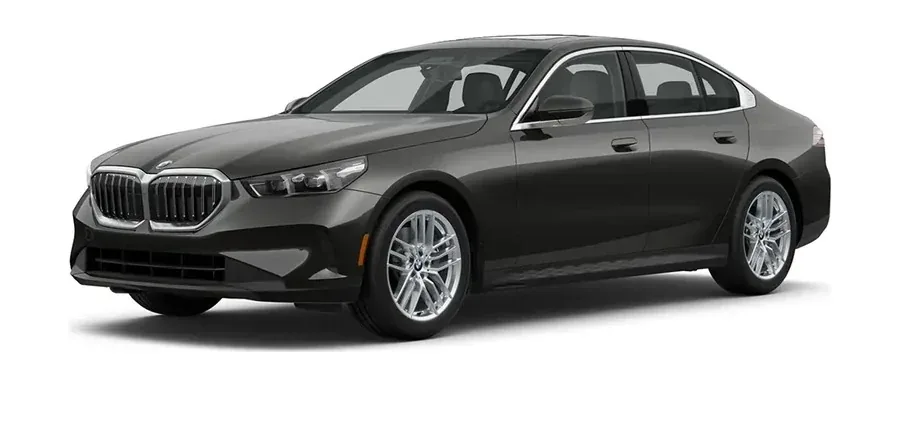
Once you have decided on a car service, the next question is the vehicle. For most airport runs, the sedan vs SUV choice is really a luggage-and-headcount question, not a status one. A clean black sedan handles one or two people with normal bags without breaking a sweat, and it is the value pick. Step up to an SUV when the bags or the bodies stop fitting comfortably.
- Book the sedan when it is one or two passengers with carry-ons or a couple of checked bags — the everyday LAX run, the solo business trip, the date night.
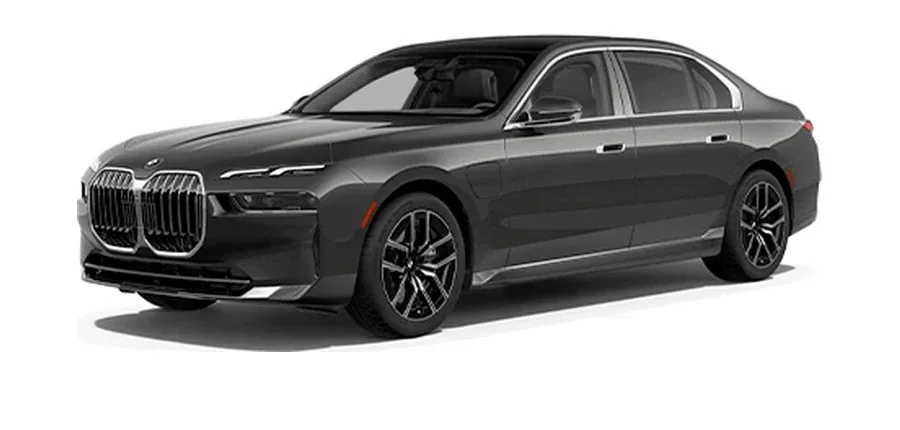
- Book the SUV when you have three or more passengers, a full set of luggage, golf clubs, a cruise-terminal haul, or you just want the extra room for a long ride.
If you are moving a whole group, that is a different vehicle again — see the full range of services for the larger cars. The point is that a car service lets you pick the right vehicle on purpose, instead of finding out what fits when it pulls up.
The price question, honestly
Here is the one opinion I will offer, and it is backed by how the two things are built: a flat quote is more honest than a fare that moves. Surge pricing is not a scam exactly, but it is a bait-and-switch in slow motion — the number you saw is not always the number you pay, and it climbs hardest at the exact moments you have the least choice, like a holiday or a rainstorm. A flat-rate chauffeur service quotes one price before you ride, and that price does not care what the weather is doing. It is the same reason my 76 Google reviews keep mentioning that the price was the price.
So a rideshare is usually cheaper on a calm day — no argument. But compare them on a bad night, and the gap narrows or flips, because the app's number is chasing demand while mine is not. You are not just buying the ride; you are buying the fact that the ride cannot get more expensive between now and the curb.
Who is actually accountable to you
With an app, accountability is spread across a platform. If the car does not come, you are talking to a support screen, and the driver you almost had is already three streets away taking someone else. With a car service, one person answers for the trip. When you book with me, you are texting the guy who will be driving the car. If something changes, I fix it, because there is no one else to hand it to.
That matters most on the trips where you cannot afford a mystery. A licensed, insured California charter-party carrier is regulated to be there and to carry the right insurance — which is a real, checkable difference from a gig driver using a personal car, not a marketing line. For a run to LAX at dawn, that accountability is most of what you are paying for.
Is a car service worth it over a rideshare?
Is a car service more expensive than Uber or Lyft?
What is the main difference between a car service and rideshare?
Should I use a car service or rideshare for the airport?
Sedan or SUV for an airport car service?
So keep the app for the cheap, casual trips — that is what it is good at. For the ones that have to go right, text me the date, the route, and your flight number if there is one, and I will send a flat quote and be at the curb myself.
Ready when you are
Need a chauffeur in Los Angeles?
Fixed, transparent pricing and real 24/7 dispatch — airport transfers, cruise ports, corporate travel, weddings and more. Book online or call for a quick quote.